

Neither, actually. Pawn shops and jewelers operate on completely different pricing logic, and once you understand why, that $400 offer starts to make a lot more sense. The gap between what you paid and what you’re offered isn’t an insult—it’s a reflection of two businesses with two very different goals.
At Diamond Jewelry and Loan, we’ve spent years in the Los Angeles gold and jewelry business explaining this exact moment to our customers. So let’s pull back the curtain. Here’s how pawn shops actually value your jewelry, why it differs so much from retail, and what you can do to walk away with the best possible offer.
Retail Pricing vs. Pawn Pricing: Two Different Worlds
When you buy a piece of jewelry from a retail store, you’re not just paying for gold and gemstones. You’re paying for a lot of things that have nothing to do with the raw materials.
Retail prices include:
- Brand markup: Designer names and luxury labels can double or triple a price tag.
- Craftsmanship and design: Hand-finishing, intricate settings, and unique designs add cost.
- Store overhead: Rent, staff, insurance, marketing, and display cases all get baked into the price.
- Profit margin: Jewelers often mark up retail pieces by 100% to 300%.
A pawn shop doesn’t care about any of that. When you bring in a piece, a pawn shop is asking one question: How much can I resell this for, and how fast?
That’s the core difference. A jeweler sells you a dream. A pawn shop buys an asset it needs to move quickly.
Why Pawn Shops Think in Terms of Resale Speed and Risk
Pawn shops are not in the business of holding inventory forever. They make offers based on two factors most people never consider: how quickly an item can be resold, and how much risk it carries.
Think about it from the shop’s side. Every dollar tied up in a piece of jewelry is a dollar that can’t be used elsewhere. If a ring sits in a case for a year, it’s costing the shop money. So offers are calculated to ensure the shop can resell the item, cover its costs, and still make a reasonable profit—often to a customer who is also looking for a deal below retail.
Risk plays a huge role too. A pawn shop can’t always verify a brand’s authenticity, the true quality of a gemstone, or whether a buyer will ever materialize for an unusual piece. To protect against that uncertainty, offers are built with a safety margin.
This is why two rings that cost the same at retail can get very different pawn offers. A plain gold band is easy to value and easy to resell. A one-of-a-kind designer piece, no matter how beautiful, is harder to price and harder to move.
Scrap Value vs. Craftsmanship: What Pawn Shops Actually Pay For
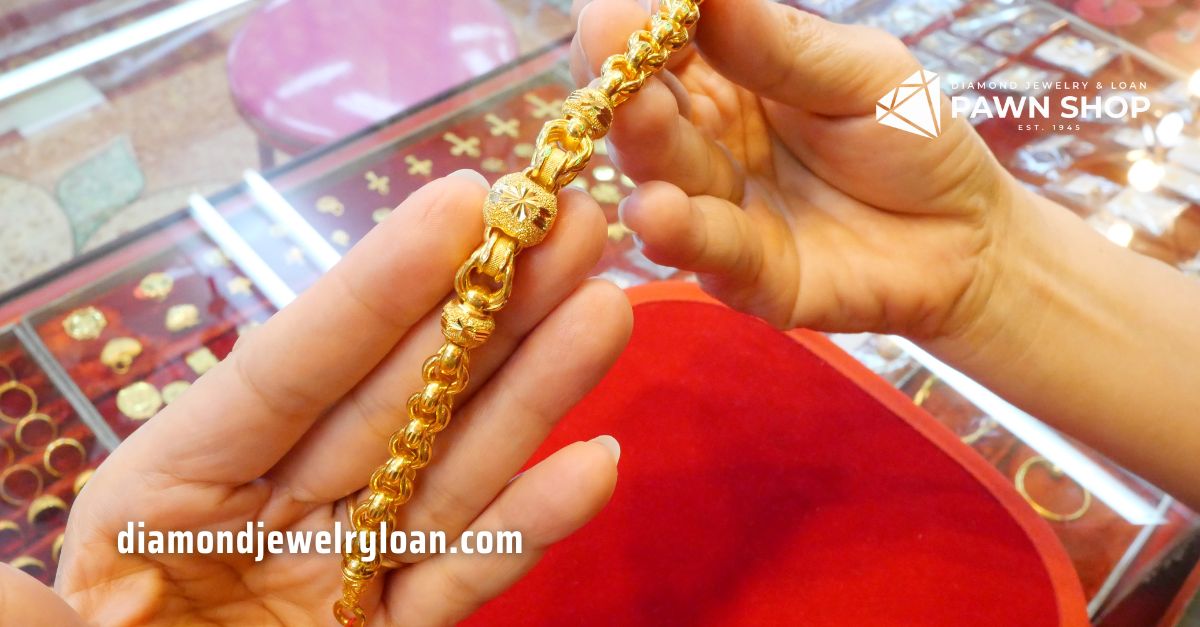
Here’s the part that surprises most people. For a lot of jewelry, pawn shops calculate offers based largely on scrap value—the worth of the raw gold, silver, platinum, or gemstones if the piece were melted down or broken apart.
Scrap value depends on a few measurable things:
- Metal purity: 14k gold contains less pure gold than 18k or 24k, so it’s worth less per gram.
- Weight: More precious metal means more value.
- Current market price: Gold and other metals trade at prices that change daily.
- Gemstone quality: Diamonds and precious stones can add value, but only if they’re genuine and significant.
Craftsmanship, on the other hand, rarely factors in. That stunning hand-engraved detail you loved at the jewelry counter? It added hundreds to the retail price, but it adds almost nothing to a pawn offer. Once a piece leaves the retail world, the artistry it carries is hard to monetize on resale.
This isn’t because pawn shops don’t appreciate fine work. It’s because resale buyers usually aren’t willing to pay a premium for it—and the offer has to reflect what the piece can realistically sell for, not what it once cost.
So Are Pawn Shops Lowballing You?
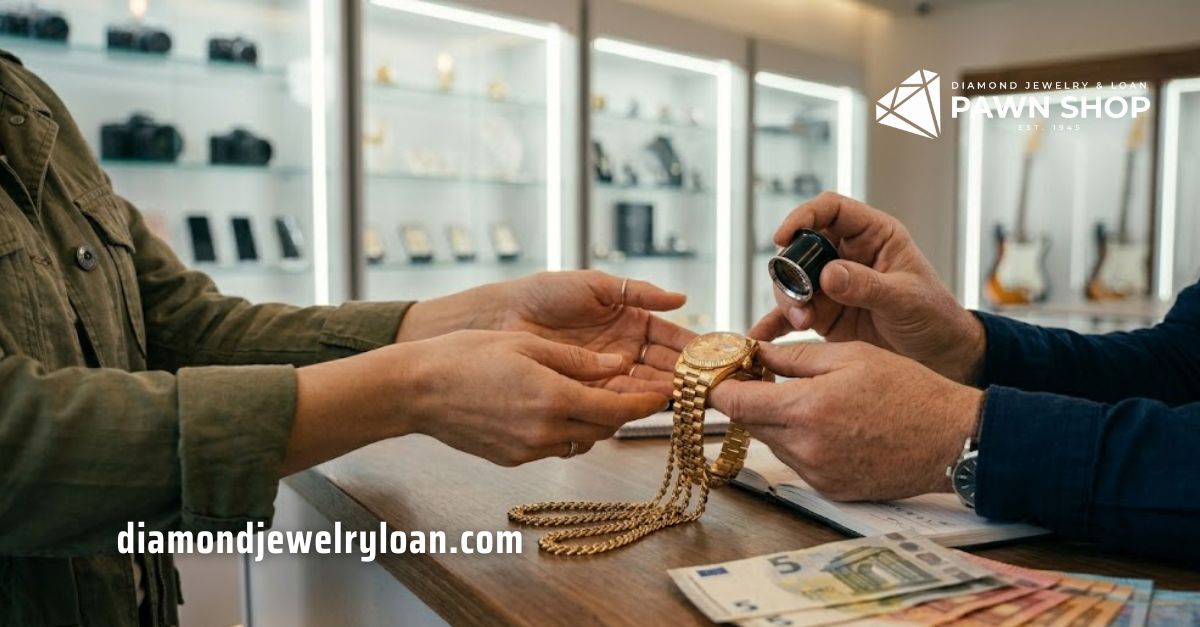
Not necessarily. A fair pawn offer reflects the realities of resale, risk, and the daily metals market—not a desire to cheat you. That said, offers can and do vary from shop to shop, which is why where you go matters.
A few things separate a fair, transparent pawn shop from one that isn’t:
- Honest explanation: A good shop tells you how it reached its number.
- Accurate testing: Proper equipment to verify metal purity and gemstone authenticity.
- Current market rates: Offers tied to today’s actual gold and metal prices.
- Reputation: A track record of fair dealing with the community.
At Diamond Jewelry and Loan, transparency is the foundation of everything we do. We’re more than just a pawn shop—we’re a Los Angeles legacy and a trusted partner to the customers we serve. When you bring a piece to us, we explain our reasoning, test your items accurately, and tie our offers to real market value.
How to Get the Best Offer for Your Jewelry
Understanding the system puts you in a stronger position. Here are a few practical tips to maximize what you walk away with:
- Know your metal: Check for purity stamps (like 14k, 18k, 925) before you go.
- Gather documentation: Receipts, appraisals, and certificates—especially for diamonds—can boost your offer.
- Clean your jewelry: A well-presented piece makes a better impression.
- Understand and decide your goal: A pawn loan lets you reclaim your item later, while selling outright is final. Choose based on your needs.
- Work with a trusted name: A reputable shop gives fair, transparent offers backed by experience.
The Bottom Line on Pawn Shop Jewelry Values
The difference between a jeweler’s price and a pawn shop’s offer comes down to purpose. Jewelers sell you a finished product loaded with brand value, design, and overhead. Pawn shops buy an asset they need to resell quickly, safely, and profitably—which means scrap value and resale risk drive their numbers, not craftsmanship or retail history.
Once you understand that logic, you can approach any pawn shop with clear expectations and confidence.
If you’re in Los Angeles and want a fair, transparent valuation from a team that treats customers like family, visit Diamond Jewelry and Loan. We’ve built our reputation on exceptional service and honest value—and we’d be glad to welcome you into our ever-growing family of satisfied customers.