

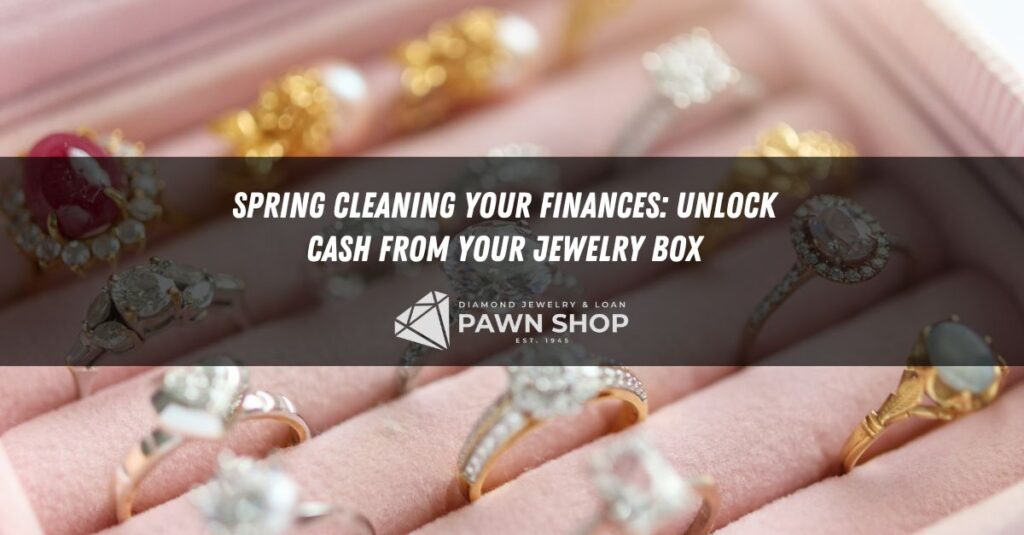
As the days grow longer and the frost begins to melt, a natural urge to refresh our surroundings takes hold. We open windows to let in the breeze, scrub the floors, reorganize our closets, and even take a fresh look inside the Jewelry Box. This annual ritual of “spring cleaning” is traditionally about hygiene and tidiness, but it represents something deeper: a mindset of renewal. It is a time to assess what we have, what we need, and what we want to carry forward into the rest of the year.
While you are sorting through winter coats and dusting off shelves, there is one area that often gets overlooked: the jewelry box. Tucked away in velvet pouches and safe deposit boxes are assets that often sit idle, gathering dust rather than value.
Integrating your jewelry collection into your spring cleaning routine isn’t just about organization—it is a savvy financial move. Reviewing each piece in your Jewelry Box helps you identify items that no longer serve your style or financial goals and could be turned into useful cash.
The Spring Mindset: more than just tidying up
The concept of spring cleaning typically revolves around throwing away trash or donating old clothes. However, when you apply this mindset to your financial life, the goal shifts from disposal to optimization.
Over time, our tastes change. The heavy gold necklace that seemed essential five years ago might not align with your current style. An heirloom ring might sit in a drawer because you are terrified of losing it, or perhaps you have loose diamonds from pieces that were dismantled years ago. These are what financial experts often call “lazy assets.” They hold value, but that value is locked away and doing nothing for you.
Spring is the ideal time to audit these assets. Ask yourself hard questions about your collection:
- When was the last time I wore this?
- Does this piece bring me joy, or does it bring guilt because I never wear it?
- Could the cash value of this item serve a better purpose in my life right now?
By treating your jewelry box as a financial portfolio rather than just a collection of accessories, you can make decisions that benefit your bank account and your peace of mind.
Why tax season creates a seller’s market
One of the most overlooked aspects of the spring economy is the influx of cash due to tax refunds. Between March and May, millions of Americans receive lump-sum payments from the IRS. This sudden liquidity often translates into increased consumer spending power.
For those looking to sell or loan against their jewelry, this is advantageous. The secondary market for luxury goods often sees an uptick in activity during these months. Buyers are more abundant, and they have cash in hand. When demand increases, the market becomes more favorable for the seller.
If you have been considering parting with a luxury watch or a diamond bracelet, timing your sale to align with this influx of liquidity can result in a smoother transaction. It allows you to tap into a market that is actively looking to acquire high-quality pieces.
Capitalizing on the wedding boom
While December is famous for proposals, spring and early summer are the titans of the wedding industry. As the weather warms, the demand for bridal jewelry skyrockets. Couples are actively hunting for engagement rings, wedding bands, and jewelry to wear on the big day.
This seasonal cycle drives significant interest in the diamond market. Pre-owned and estate jewelry becomes particularly attractive to buyers looking for unique, vintage, or sustainable options that cannot be found in modern retail chains.
If your spring cleaning unearths diamond solitaire rings, eternity bands, or classic tennis bracelets, you are holding items that are currently in high demand. Leveraging these pieces during the pre-wedding rush puts you in a strategic position. You are not just selling a ring; you are supplying inventory to a hungry market.
How to audit your jewelry box
Transforming your jewelry from clutter to capital requires a systematic approach. Do not just glance inside the box—empty it out. Lay everything on a table where you can see it clearly.
1. Categorize your collection
Divide your items into three distinct piles:
- The Daily Rotation: These are the pieces you love and wear frequently. Keep them. Polish them up and put them back.
- The Sentimental: These items may not be your style, but they hold emotional value you aren’t ready to part with. Store these safely.
- The Liquidation Pile: This includes broken chains, single earrings, styles you have outgrown, and gifts from ex-partners that you no longer want. This is your potential capital.
2. Assess the condition
Inspect the items in your liquidation pile. Is the gold scratched? are stones missing? While pristine condition is always better, materials like gold, platinum, and diamonds hold intrinsic value regardless of the piece’s condition. A broken gold chain is still valuable because of its metal content.
3. Gather your paperwork
If you have original boxes, receipts, or GIA certificates for diamonds, find them. Provenance and documentation can significantly streamline the appraisal process and help you secure a better valuation, whether you are selling or seeking a loan.
Selling vs. Loaning: Choosing your strategy
Once you have identified the pieces you want to leverage, you have two primary financial paths: selling or loaning.
Selling is the path of true decluttering. You exchange the item for cash and walk away. This is the best option for pieces you have no emotional attachment to and know you will never wear again. It clears physical space and provides immediate funds for home renovations, a vacation, or investing elsewhere.
Loaning (using your jewelry as collateral) is a strategy for those who need temporary liquidity but aren’t ready to say goodbye to their assets. perhaps you need funds to cover a tax bill or capitalize on a business opportunity, but the jewelry has sentimental value. A collateral loan allows you to unlock the cash value of the item temporarily. Once the loan is repaid, your jewelry returns to your collection.
Spring is often a time of new projects—home improvements, booking summer travel, or starting a business venture. A collateral loan acts as a bridge, allowing your assets to fund your life without permanently diminishing your net worth.
Experience the difference with a trusted partner
As you embrace the spirit of the season and look to optimize your assets, choosing the right partner is crucial. You want guidance that is transparent, professional, and grounded in expertise.
At Diamond Jewelry and Loan, we are more than just a pawn shop. We are a legacy in Los Angeles, a trusted partner to our customers, and a leader in the gold and jewelry buying business. We understand that every piece of jewelry has a story and a value that goes beyond metal and stone.
We invite you to experience the exceptional service and value that have become the hallmarks of our business. Whether you are looking to sell an estate piece or secure a confidential loan, our team is here to help you navigate the process with respect and integrity. Come visit us this spring and become part of our ever-growing family of satisfied customers