

Every year, as the final months of the calendar approach, a familiar frenzy begins. We see it in the overflow of shopping bags, the rush of delivery trucks, and the mounting pressure to find the “perfect” gift for everyone on our list. But once the wrapping paper is torn off and the festive meals are eaten, we are often left with something else: a staggering amount of waste—a reminder of why embracing the circular economy matters during the holidays.
The holidays are traditionally a time of excess. From single-use plastics to fast-fashion items that are discarded within months, the environmental impact of the gifting season is significant. But there is a shift happening. More consumers are stepping back from the conveyor belt of mass production and looking for a better way to celebrate. They are looking for meaning over volume and quality over quantity.
This year, consider a different approach. By embracing sustainable shopping—specifically through buying secondhand and exploring the circular economy—you can give gifts that are truly special without contributing to the planet’s burden. It is about changing the narrative from “new is best” to “thoughtful is best.” Here is how you can reduce waste and find hidden treasures by rethinking where you shop.
The Environmental Cost of “Brand New”
When we pick a brand-new item off a shelf, we usually only see the finished product. We rarely see the long, resource-intensive journey it took to get there. Manufacturing new goods requires raw materials, massive amounts of energy, and water. Then there is the carbon footprint associated with shipping raw materials to factories, and finished goods to warehouses and retail stores.
Buying secondhand disrupts this cycle. It eliminates the need for new manufacturing, effectively slashing the carbon footprint of your gift to zero. You aren’t demanding new resources; you are rescuing resources that have already been extracted and processed.
This is particularly relevant in industries like jewelry and electronics. The mining of precious metals and gemstones can have a heavy environmental toll. By choosing a vintage gold necklace or a pre-owned diamond ring, you bypass the mining process entirely. You get the same sparkle and value without the ecological price tag.
Embracing the Circular Economy
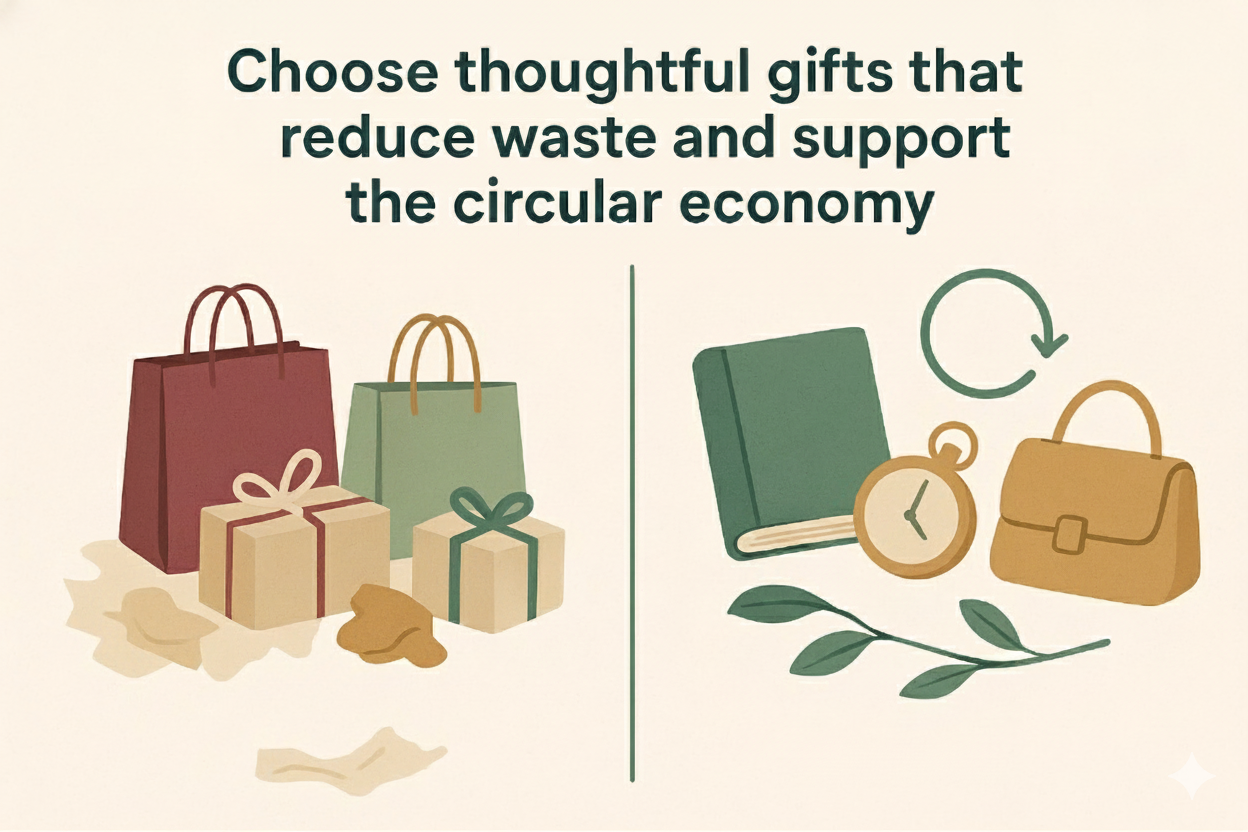
The circular economy is a model of production and consumption that involves sharing, leasing, reusing, repairing, refurbishing, and recycling existing materials and products as long as possible. In simpler terms, it means keeping things in use rather than throwing them in a landfill.
When you shop at a pawn shop or a vintage store, you are an active participant in this economy. You are extending the life of a product. This is vital because we currently live in a “linear economy”—we take, make, and dispose.
Giving Items a Second Life
There is a unique romance to pre-loved items. A vintage watch has a history; a piece of estate jewelry has a story. When you buy from the circular economy, you are often buying items of a higher quality than what is currently available on the mass market.
Fast fashion and modern manufacturing often prioritize speed and low cost over durability. In contrast, items manufactured decades ago were often built to last. Buying a secondhand musical instrument or a high-end tool set often means you are gifting something with superior craftsmanship compared to a brand-new, plastic-heavy alternative.
Why Pawn Shops Are the Ultimate Eco-Friendly Destination
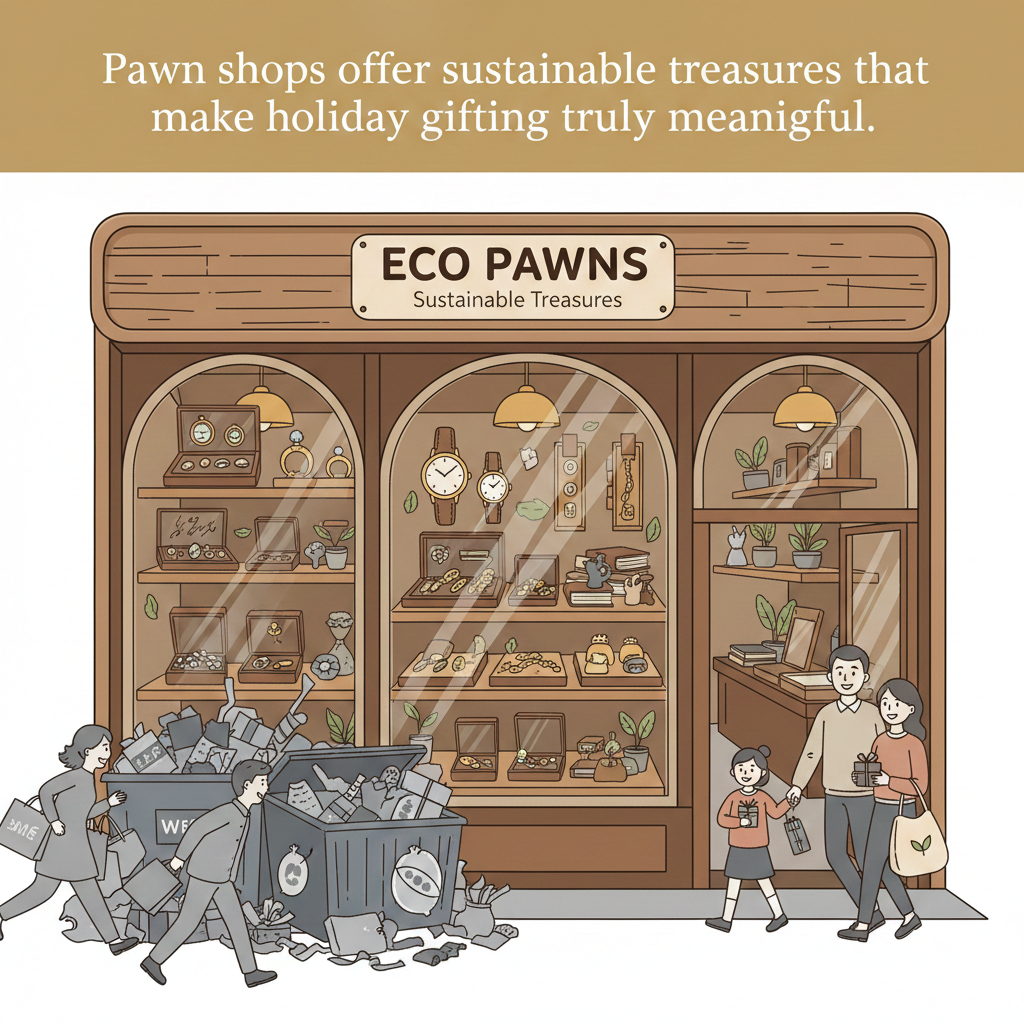
For many, the local pawn shop is an overlooked resource for holiday shopping, yet it is perhaps the most sustainable retail model in existence. Pawn shops are essentially recycling centers for high-value goods. They curate items that have stood the test of time and offer them to new owners who will appreciate them.
Unlike big-box retail stores that push trends, pawn shops offer timeless value. They are treasure troves for unique, one-of-a-kind gifts that you literally cannot find anywhere else.
Finding Quality and Value in Los Angeles
If you are shopping in the Los Angeles area, Diamond Jewelry and Loan stands as a prime example of this sustainable model. Serving the community since 1945, they are one of the oldest and most established pawn shops in the city.
Shopping at a reputable establishment like Diamond Jewelry and Loan offers several distinct advantages for the mindful shopper:
- Authentication and Trust: Unlike buying from an online marketplace where quality is a gamble, established shops are fully licensed, bonded, and insured. They are also a BBB-accredited business. You know exactly what you are buying.
- Unmatched Selection: As one of the biggest gold buying businesses in LA, their inventory of jewelry is vast. You can find incredible deals on gold and diamonds that far outshine retail prices.
- Supporting Local: You are supporting a local business that has been part of the fabric of Los Angeles for nearly 80 years, rather than sending your money to a faceless online conglomerate.
Whether you are looking to buy a unique piece of jewelry or perhaps sell a collateral item to fund your holiday budget (they pay top dollar), utilizing a pawn shop is a smart financial and environmental move.
How to Curate a Sustainable Gift Guide
Making the switch to secondhand shopping requires a slight adjustment in how we view gifts. Here are a few categories where pre-loved items often outshine new ones:
1. Luxury Jewelry and Watches
This is the gold standard of secondhand gifting. Gold, platinum, and diamonds do not degrade. A diamond ring from 1990 sparkles just as brightly as one mined today, but it comes with a distinct vintage charm. Plus, the markup on new jewelry is astronomical. Buying pre-owned allows you to gift a heavier, more valuable piece of gold for the same budget.
2. High-End Electronics
Tech waste is a massive global issue. Many pawn shops carry excellent condition laptops, tablets, and gaming consoles. These items often end up in pawn shops not because they are broken, but because the previous owner needed quick cash. You can score current or near-current gen tech for a fraction of the price, keeping that plastic and metal out of the landfill.
3. Musical Instruments
Guitars, saxophones, and violins often sound better with age as the wood matures. A vintage Fender or Gibson guitar is a coveted item for any musician. Buying one from a pawn shop is not “settling”—it is an upgrade.
4. Designer Handbags
Leather goods can last a lifetime if cared for. Designer bags are built for longevity. Gifting a vintage designer bag is a stylish way to support sustainable fashion.
Overcoming the “Used” Stigma
Some shoppers worry that a secondhand gift feels “cheap.” This is a mindset that is rapidly changing, but presentation matters. If you are gifting a pre-loved item, put extra thought into the packaging.
- Clean and Polish: Ensure the item is sparkling clean. A quick polish on a silver ring makes it look brand new.
- Elevate the Wrapping: Use eco-friendly wrapping paper, fabric wraps (furoshiki), or a reusable high-quality box.
- Tell the Story: Include a note about why you chose this vintage piece. “I found this 1950s brooch and thought of you because…” This adds a layer of thoughtfulness that a generic gift card can never achieve.
Make This Season Meaningful
We have the power to change the culture of consumption. We do not need to stop giving gifts, but we can change how we give them.
By choosing to shop at places like Diamond Jewelry and Loan, you are making a statement. You are saying that you value quality over novelty. You are saying that you care about the lifecycle of the products you bring into your home. And most importantly, you are giving a gift that supports a healthier planet.
This holiday season, skip the crowded malls and the plastic packaging. Step into the history and variety of the circular economy. You might just find that the best gifts are the ones that have already lived a life, ready to start a new chapter with someone you love.